What Is an Inbound AI SDR? (And Why It Converts 3x Better Than Outbound)
An inbound AI SDR engages website visitors already researching your solution, qualifying and booking meetings 24/7. Inbound leads convert at 14.6% vs 1.7% for outbound cold outreach - an 8x gap growing wider as cold email reply rates decline.
Key Takeaways
- An inbound AI SDR engages website visitors already on your site - converting high-intent traffic in real time, 24/7, without human involvement.
- Inbound leads convert at 14.6% vs 1.7% for outbound cold outreach - an 8x gap that widens every year as cold email reply rates decline (prospeo.io, 2026).
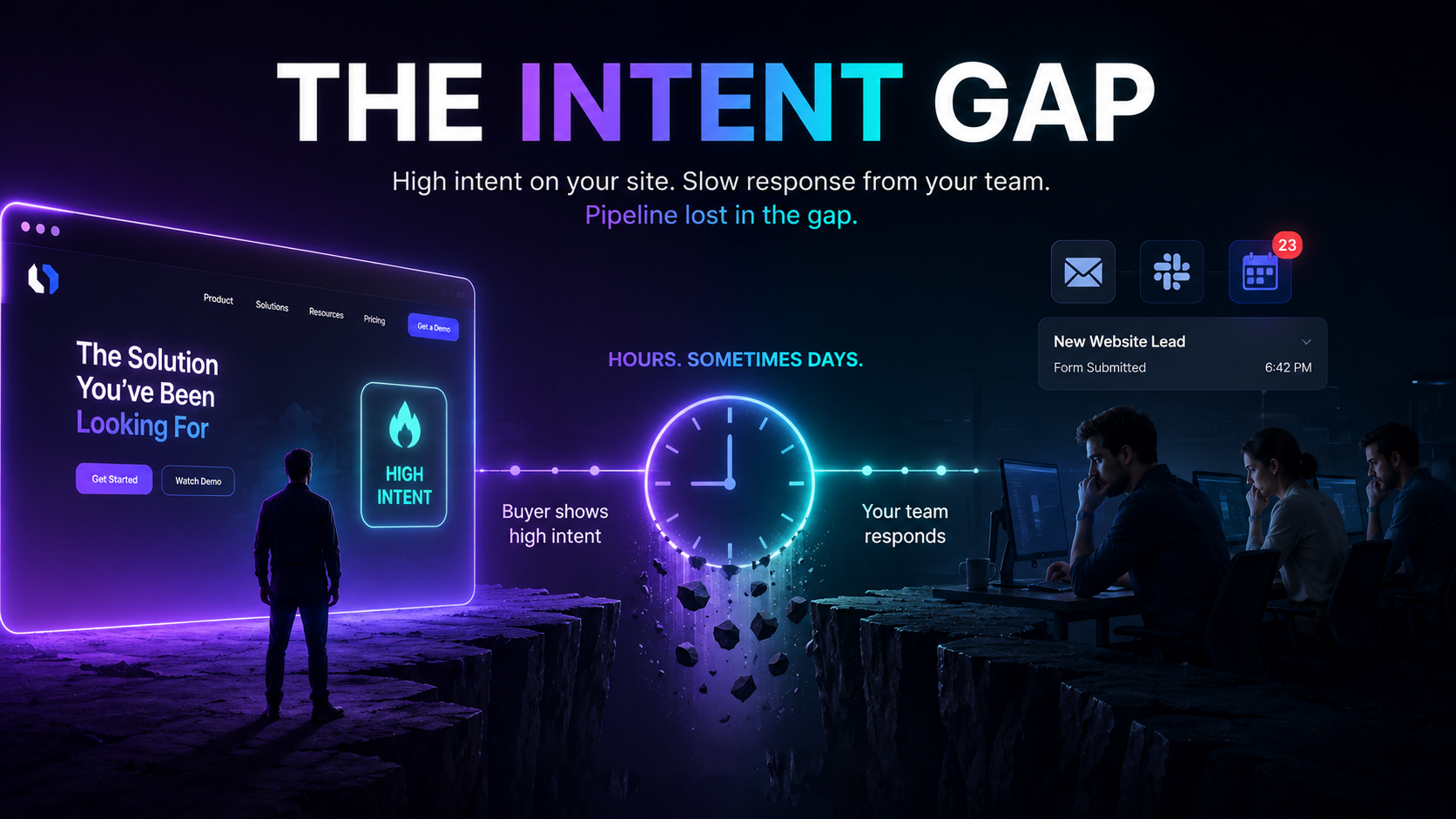
- The average human SDR takes 42 hours to respond to an inbound lead - an AI SDR responds in under one second, 24/7.
- Face-to-face inbound AI SDRs generate up to 10x more pipeline than static demo request forms from the same traffic volume.
What Is an Inbound AI SDR?
An inbound AI SDR (Inbound AI Sales Development
Representative) is an AI system deployed on a company's website that
proactively engages website visitors, qualifies them through real-time
conversation, and books meetings with human sales representatives - automatically,
24/7, without requiring a human SDR to be available.
Unlike outbound AI SDRs that send cold emails and LinkedIn
messages to prospects who haven't expressed interest, an inbound AI SDR works
with traffic you've already earned - visitors who arrived at your website
because they're actively researching a solution like yours.
Why the Inbound vs Outbound Distinction Matters More Than Ever in 2026
The AI SDR category gets discussed as a single thing. It
isn't. Inbound and outbound AI SDRs solve fundamentally different problems,
target different buyer moments, and deliver dramatically different results.
The outbound side is under pressure. Average cold
email reply rates dropped to 3.43% in 2026 - down from 5% in 2025 and 8.5% in
2019 (cleanlist.ai, 2026). Inbox saturation, tightening spam filters from
Google, Yahoo, and Microsoft, and years of low-effort AI-generated outreach
have compressed outbound performance to the point where most B2B teams are
questioning its ROI as a primary channel.
The inbound side is structurally different. When a
buyer visits your pricing page at 11 PM, they've already done the research.
They know what category you're in. They're comparing options. The intent is
there. What's missing is a conversation.
According to prospeo.io (2026), inbound leads convert at a 14.6%
lead-to-customer rate versus 1.7% for outbound - nearly an 8x gap.
The buyer who found you is not the same buyer you cold-contacted.
An inbound AI SDR is built to capture that moment. Not
tomorrow. Not in 42 hours when a human SDR finally responds. Right now, while
the intent is live.
How Does an Inbound AI SDR Work?
An inbound AI SDR operates as a persistent, intelligent
presence on your website - visible on the pages where high-intent visitors
land: pricing, product, demo, homepage, comparison pages.
1. Proactive greeting - The moment a visitor lands,
the AI SDR initiates before the visitor scrolls past and leaves.
2. Natural qualification - Through conversation, not
forms, the AI SDR captures role, company size, use case, pain points, timeline,
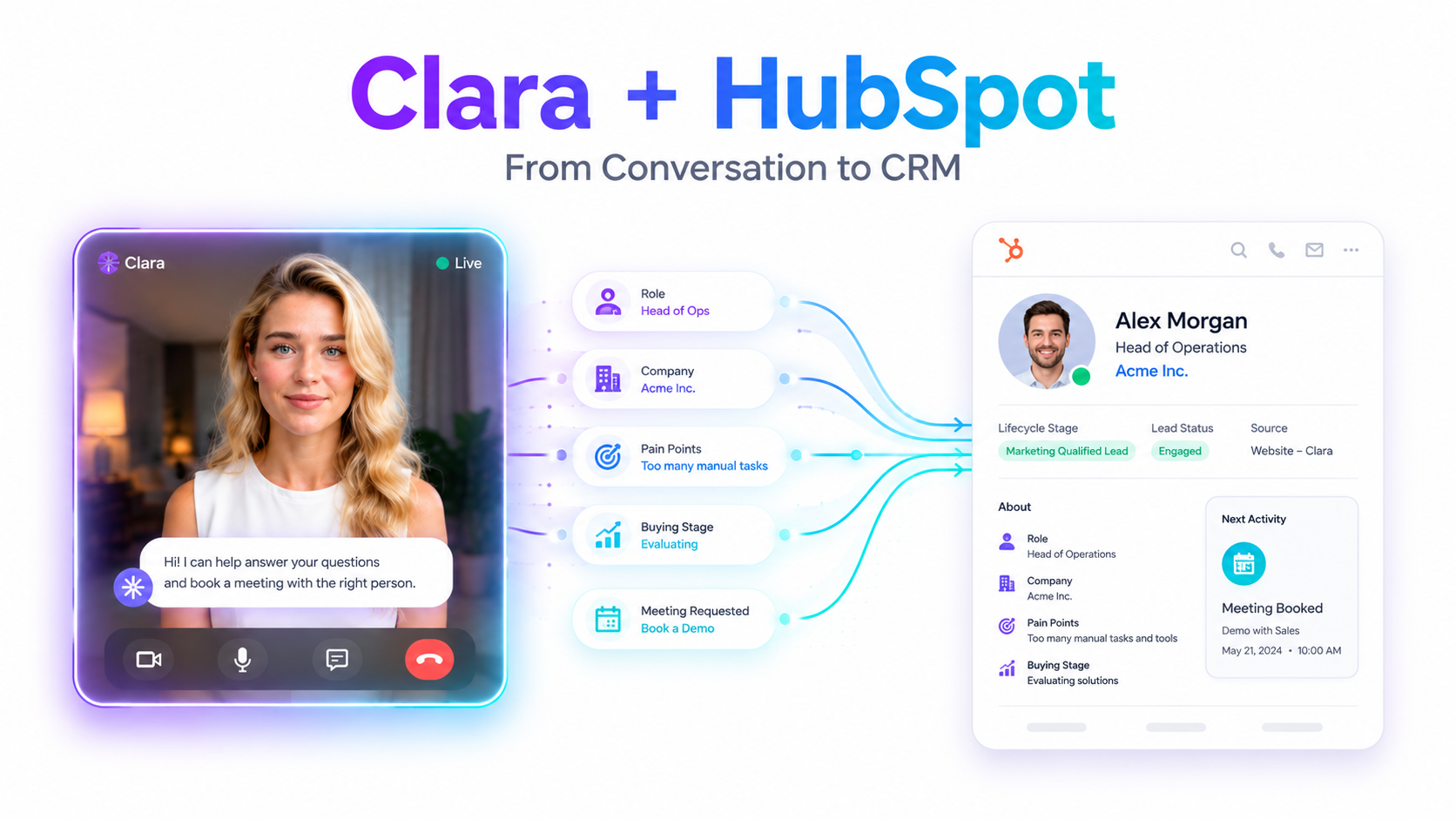
and buying intent - directly to the CRM.
3. Live product demonstration - The best inbound AI
SDRs share their screen mid-conversation, navigating live web pages in response
to what the buyer actually asks.
4. Objection handling - When a buyer pushes back, the
AI SDR responds with evidence, not deflection.
5. Meeting booking - A qualified prospect books
directly from the conversation - no redirect, no separate step.
6. CRM sync - Every conversation detail syncs to
HubSpot, Salesforce, or your CRM in real time.
Inbound AI SDR vs Outbound AI SDR: The Full Comparison
|
Inbound AI SDR |
Outbound AI SDR |
|
|
Buyer moment |
Active research - on your site |
Cold contact - hasn't expressed interest |
|
Intent level |
High - they came to you |
Low to medium - you found them |
|
Lead-to-customer conversion |
14.6% (prospeo.io, 2026) |
1.7% (prospeo.io, 2026) |
|
Primary channel |
Website, landing pages |
Cold email, LinkedIn, phone |
|
Cold email reply rate |
N/A |
3.43% and declining (cleanlist.ai, 2026) |
|
Response time |
Instant - sub-second |
Depends on sequence timing |
|
Requires contact list |
❌ No |
✅ Yes |
|
Spam/deliverability risk |
❌ None |
⚠️ High and growing |
|
Buyer experience |
Warm - they initiated |
Cold - you interrupted |
Inbound AI SDR vs Text Chatbot
|
Inbound AI SDR |
Text Chatbot |
|
|
Initiates conversation |
✅ Proactively greets visitor |
⚠️ Waits for click |
|
Demo capability |
✅ Screen share + live browser |
❌ None |
|
Objection handling |
✅ With live evidence |
❌ Scripted responses |
|
Qualification depth |
✅ ICP, pain, timeline, budget |
⚠️ Usually just email capture |
|
Meeting booking |
✅ Within conversation |
⚠️ Redirect to Calendly |
|
Pipeline vs forms |
Up to 10x more |
20% lift vs static forms |
The Response Time Problem Inbound AI SDR Solves
|
Response window |
Conversion probability |
|
Under 5 minutes |
Baseline × 21 |
|
5–30 minutes |
Baseline × 4 |
|
30 minutes–1 hour |
Baseline × 2 |
|
24–48 hours (human SDR average) |
Declining rapidly |
Source: MIT/Velocify via getsurfox.com, 2026
The average human SDR responds in 42 hours. An
inbound AI SDR responds in under one second. That single variable
accounts for a significant share of the conversion lift.
What Good Inbound AI SDR Performance Looks Like
|
Metric |
Benchmark |
Best-in-class |
|
Visitor engagement rate |
3–6% |
9–12% |
|
Email capture rate |
3.8% |
9%+ |
|
Qualification rate |
25–35% |
45–50% |
|
Meeting booking rate |
35–45% |
55–65% |
|
Inbound MQL-to-SQL |
22% median |
35%+ |
|
Pipeline lift vs forms |
3–5x |
Up to 10x |
Clara: The Inbound AI SDR Built for Face-to-Face Conversion
Clara is powered by TruGen.ai's proprietary Huma-1
avatar model (real-time Gaussian-rendered facial animation, instant activation)
and Hawkeye-1 vision model (live browser interaction for real product
demos) - both built in-house. She proactively engages, qualifies through
conversation, demos in a live browser, handles objections with evidence, and
books meetings. Starts free. Live in hours.
"We replaced our chatbot with Clara and our conversion rate changed overnight. She actually demoed our product to a visitor at 2 AM and booked the meeting." - Customer review, G2
Frequently Asked Questions
What is an inbound AI SDR? An AI system deployed on
your website that proactively engages visitors, qualifies them through
conversation, and books meetings - 24/7, automatically.
Inbound vs outbound AI SDR? Inbound works with
visitors already on your site (14.6% conversion). Outbound sends cold emails to
people who haven't expressed interest (1.7% conversion, declining).
Inbound AI SDR vs chatbot? Chatbots wait passively
and capture emails. Inbound AI SDRs initiate, demo, handle objections, and book
meetings - generating up to 10x more pipeline from the same traffic.
How much does it cost? Clara starts free. $299/month
for Pay-as-you-Go. Qualified starts at ~$42,000/year.
How fast to deploy? Clara: hours. Other platforms: 2
weeks to 3 months.
Try Clara Free → — Deploy your inbound AI SDR today. Your first booked meeting could happen tomorrow.
Related Reading
- AI SDR vs Human SDR: Real Cost, Speed, and Conversion
Compared
- AI SDR vs Chatbot: What's the Difference?
- Why 97% of Visitors Never Talk to Sales (And How to Fix
It)